

If you’ve ever tried to eat better, you’ve probably been told to “just build healthy habits.”
At the same time, you’ve also heard all the usual diet advice — avoid sugar, count your calories, follow this plan, try that method.
So it’s no wonder these things start to blur together.
But they’re not the same.
And the difference between the two can change everything about how you approach food.
Dieting Is About Control
Most diets are built around strict rules.
Eat this. Don’t eat that. Only eat between these hours. Measure everything.
It’s about controlling your food so you can control your body.
That might feel productive at first. There’s a plan. A structure. Clear lines to follow.
But it usually comes with pressure, guilt, and a sense of failure if you don’t stick to it perfectly.
Diets Feel Like This:
- “I can’t have that.”
- “I already messed up, so today’s ruined.”
- “I’ll be good tomorrow.”
- “I need to start over Monday.”
It becomes all-or-nothing thinking.
You’re either on the plan or you’re off. In control or out of control.
And that’s hard to sustain.
Habits Are About Patterns
Habits don’t depend on motivation or perfection.
They’re built into your day, your life, your routines.
They focus on what you do often, not what you do flawlessly.
Instead of forcing strict rules, habits help you create patterns that support your health without constant effort.
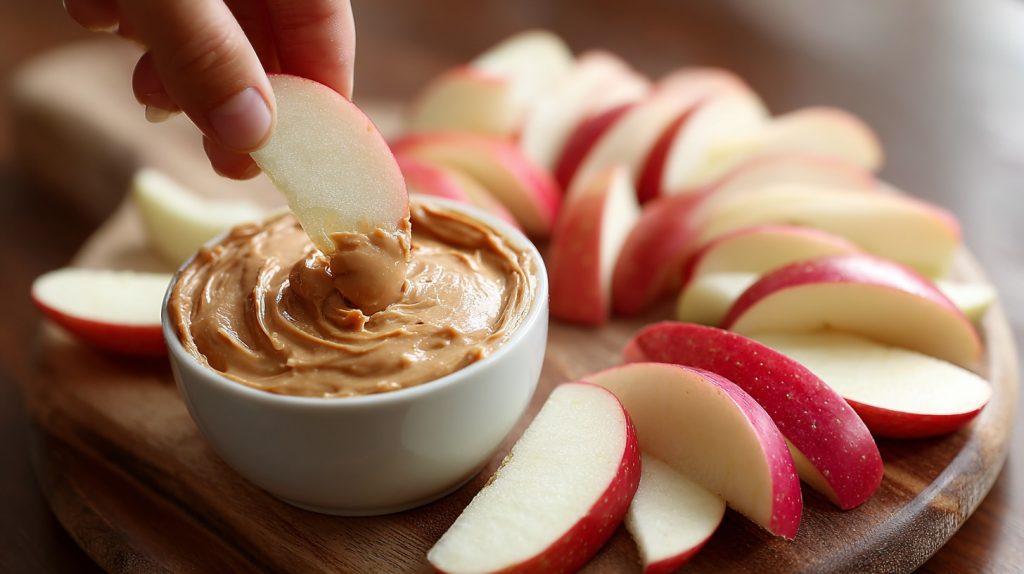
Habits Feel Like This:
- “I usually eat a good breakfast because I feel better when I do.”
- “I keep snacks in my bag so I don’t get over-hungry.”
- “Most days I eat a vegetable with dinner.”
- “If I eat out, I try to choose something that satisfies me.”
There’s no guilt or panic here. Just choices that add up.
Diets vs. Habits: The Mindset Shift
Here’s a simple way to think about the difference:
| Dieting says… | Habits say… |
|---|---|
| “Follow these rules.” | “Build what works for you.” |
| “You messed up.” | “One choice doesn’t ruin anything.” |
| “You need more willpower.” | “You need better support systems.” |
| “This only works if you’re perfect.” | “This works because it’s realistic.” |
Diets demand control. Habits build trust.
Real-Life Examples
Let’s say you’re trying to reduce how much sugar you eat.
A diet approach might look like:
- Cut out all sugar immediately
- No desserts, no processed foods, strict rules
- If you eat sugar, you feel like you failed
A habit approach might look like:
- Start eating more filling meals so you’re not craving sugar constantly
- Keep fruit or balanced snacks around as an option
- Choose sweets you actually enjoy instead of eating whatever’s around
- Practice pausing before reaching for sugar out of boredom
One approach is reactive and rigid. The other is curious and supportive.
Why Diets Usually Don’t Stick
Diets rely on short-term effort.
They assume you’ll always be motivated.
They create strict conditions — and when life doesn’t fit those conditions, the whole thing collapses.
Eventually, people get tired, burnt out, or resentful.
And the cycle starts again with a new plan.
Why Habits Actually Work
Habits are slower. But they’re built to last.
You repeat small things often enough that they become automatic.
You don’t need to think about them constantly or track every bite.
They fit into your actual life — your work schedule, your preferences, your stress levels.
That’s why they stick.
So How Do You Start Building Better Habits?
Here are a few places you could begin:
1. Eat regularly.
Skipping meals usually leads to overeating later. Aim for consistent meals so you’re not swinging from starving to stuffed.
2. Add something nourishing.
Instead of cutting everything out, focus on adding one good thing to your day — more protein, a veggie you like, more water, whatever feels doable.
3. Notice your patterns.
Are you eating because you’re hungry or because you’re bored? Are you skipping meals when busy and then crashing at night? Awareness is the first step.
4. Make one change easier.
If you want to eat less takeout, keep an emergency frozen meal you don’t hate in the freezer.
If snacks are a problem, keep something satisfying nearby so you’re not grabbing the first thing you see.
You Don’t Need to Overhaul Everything
Most people try to change everything at once. That rarely works.
Start small. Make it simple. Focus on what you can repeat, not what you can endure.
One habit at a time. One shift that supports you.
Final Thoughts
If you’ve spent years jumping from one diet to the next, it’s not your fault things haven’t stuck.
Diets are designed to be temporary.
Habits are designed to last.
You don’t need stricter rules. You need patterns that make your life easier, not harder.
Start where you are. Keep it small. Let your habits build something sustainable.
This is how real, healthy eating starts to feel normal. Not perfect — just doable.